A Practical Look at Why Energy Choice Matters and How Propane Supports Reliable, Flexible Energy for Homes, Farms, Businesses, and Rural Communities
California’s energy future is changing. Across the state, there is more focus on electrification, renewable power, energy efficiency, and reducing emissions from homes, vehicles, businesses, and public infrastructure.
Those are important goals. Cleaner energy matters. Better efficiency matters. Reducing emissions matters.
But so does energy choice.
For many California homeowners, farms, ranches, restaurants, commercial operations, and rural communities, energy decisions are not one-size-fits-all. What works well in a dense urban neighborhood may not work the same way on a rural property, agricultural site, mountain home, off-grid location, or business that cannot afford long interruptions in service.
That is why propane continues to play an important role in California’s energy conversation. Not as a replacement for every other energy source, and not as an argument against innovation, but as a practical, reliable, and versatile option for real-world energy needs.
For a deeper look at the all-electric conversation, read our related article: Electrify Everything: Is That Really a Good Idea?
Energy Choice Is About Real-Life Solutions
Energy choice means customers should have access to the energy options that make the most sense for their property, equipment, budget, location, and lifestyle.
For some households, an all-electric setup may be the right fit. For others, a combination of electricity, propane, solar, battery storage, and backup generation may provide better reliability and flexibility.
A one-size-fits-all approach does not always reflect the way people actually live and work, especially in rural and agricultural communities. Many customers live outside major city centers, where natural gas lines may not be available, electrical upgrades may be expensive, and outages can affect essential systems.
Reliability Still Matters
California is investing heavily in clean energy and grid modernization. At the same time, electricity demand is changing as more vehicles, appliances, buildings, and technologies rely on the grid.
During periods of extreme heat, storms, wildfire risk, high demand, or public safety power shutoffs, customers may still experience outages or energy disruptions. For homes and businesses, those disruptions can affect much more than comfort.
A power outage can impact refrigeration, heating and cooling, well pumps, medical equipment, cooking, communications, irrigation systems, livestock needs, security systems, home offices, and daily business operations.
Because propane is stored on-site, it can provide an added layer of energy reliability when the electric grid is unavailable or disrupted. Propane can support standby generators, water heaters, cooking appliances, space heating, agricultural equipment, forklifts, fleet vehicles, temporary heat, and other important applications.
For customers who want to be better prepared for outages, a propane standby generator can help keep essential systems running when the power goes out. Learn more in our propane generator preparedness guide: Propane Generators for Emergency Preparedness
Propane Supports Rural Homes, Farms, and Businesses
For many rural homeowners, propane is already part of everyday life. It may power the water heater, furnace, range, clothes dryer, fireplace, generator, pool heater, or outdoor living features.
In areas without natural gas infrastructure, propane gives customers access to many of the same comforts and capabilities that urban homes may receive through utility pipelines. It can also help avoid the cost and disruption of major electrical upgrades when propane equipment is already in place.
Propane also plays an important role in agriculture. Farms and ranches often need energy that is flexible, portable, and available outside traditional utility infrastructure. Propane can support irrigation engines, crop drying, greenhouse heating, frost protection, forklifts, water heating, standby generators, livestock facilities, farm shops, and outbuildings.
Businesses need flexible energy options too. Restaurants, resorts, warehouses and industrial facilities, construction sites, wineries, fleet operators, and small businesses all have different energy demands. Some use propane for portability, some for consistent heat, and others for backup power or specialized equipment.
For a business, energy interruptions can mean lost revenue, spoiled inventory, safety concerns, or service delays. Having more than one energy option can make operations more resilient.
A Cleaner Future Should Also Be Practical
The conversation around clean energy is often framed as if there is only one path forward. But a cleaner future also needs to be reliable, affordable, and accessible.
Propane is a lower-carbon fuel compared with many traditional fuels, and renewable propane is continuing to develop as an even lower-carbon option. Propane can also help reduce reliance on higher-emission fuels in transportation, equipment, generators, and off-grid power applications.
Renewable propane is also helping expand propane’s role in a lower-carbon energy future because it can be used in many of the same applications as conventional propane. Learn more in our article on The Potential of Propane as a Renewable Energy Source.
It is also important to look at energy choices across the full picture. In 2024, California imported roughly 22% of the electricity it used, meaning more than one out of every five units of electricity came from outside the state. Electricity also has to travel through transmission and distribution systems before it reaches customers, and the U.S. Energy Information Administration estimates that about 5% of electricity is lost during that process nationwide.
Even when electricity comes from cleaner sources, the full lifecycle still matters. Power has to be generated, transported, delivered, and supported by infrastructure. Depending on the energy source, that process can include fuel production, equipment manufacturing, land use, transmission lines, maintenance, and system upgrades. Those factors can affect emissions, reliability, and customer costs.
As California adds more renewable power and modernizes the grid, electricity will continue to play a major role. But cleaner energy planning should consider the full system, not just what happens at the point of use. That is one reason every customer, property, and application may not be able to move fully electric overnight.
Energy Choice Is Not Anti-Electric
Supporting energy choice does not mean opposing electricity or renewable energy. It means recognizing that different customers have different needs.
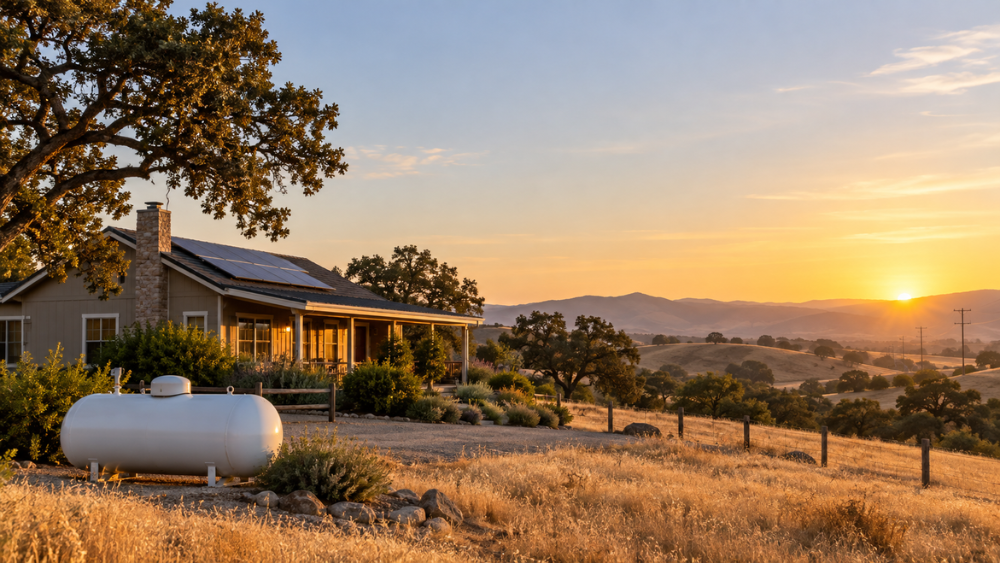
A homeowner may use electricity for lighting, cooling, and everyday plug-in devices while using propane for water heating, cooking, heating, or backup power. A farm may use electric systems in one part of its operation and propane equipment in another. A rural customer may add solar panels but still rely on propane for heat, hot water, or generator fuel during long outages.
These mixed-energy setups are practical. They help customers balance reliability, efficiency, cost, comfort, and safety.
As California works toward cleaner energy goals, policy and planning should also reflect real-life conditions, including rural infrastructure, agricultural operations, small businesses, off-grid properties, backup power needs, and the cost of major energy upgrades. The goal should not be to make every property use energy the same way. It should be to help customers reduce emissions, improve efficiency, stay safe, and maintain reliable access to energy.
The Bottom Line: Energy Choice Matters
California’s energy future should be cleaner, safer, more efficient, and more reliable. But it should also be practical.
Propane remains an important part of that future because it provides dependable, on-site energy for customers who need flexibility, resilience, and performance. From rural homes and farms to restaurants, warehouses, construction sites, and backup power systems, propane continues to support the people and businesses that keep our communities moving.
At Delta Liquid Energy, we believe customers deserve energy options that fit real life.
Need Help Understanding Your Propane Options?
Whether you are planning for backup power, adding propane appliances, reviewing your current tank capacity, or looking for reliable service for your home, farm, or business, Delta Liquid Energy can help.
Contact your local Delta Liquid Energy office to discuss propane service options for your property.