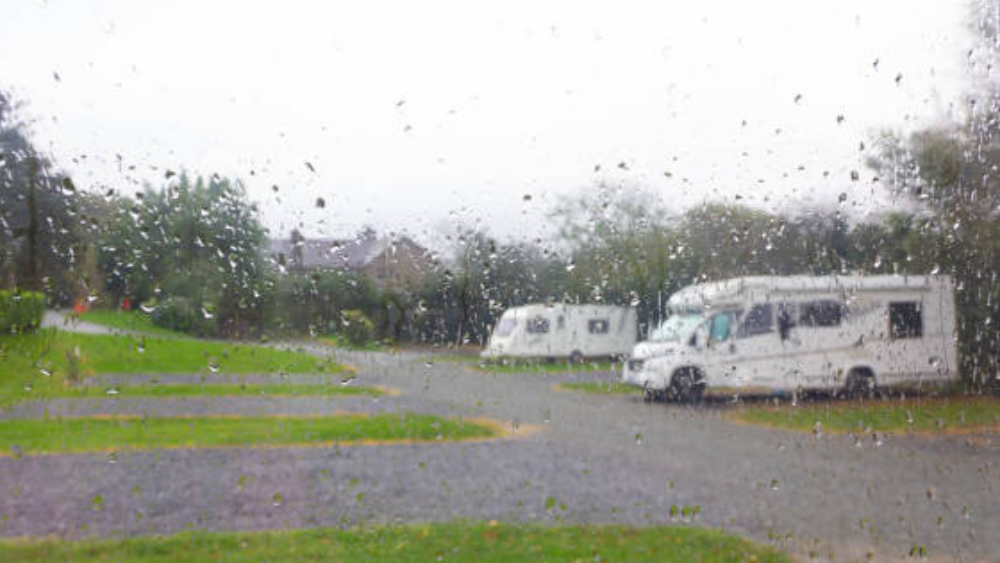
California RV owners know that our weather can go from months of sunshine to seemingly endless rain surprisingly quickly. During an El Niño weather pattern, the potential for heavier rainfall makes it especially important to make sure your RV is ready before the first big storm arrives.
Whether your RV will be parked at home, stored for the season, or heading out on a winter camping trip, a little preparation now can help prevent leaks, water damage, mold, electrical problems, and expensive repairs later.
Here are some of the most important things to check when preparing your RV for El Niño and the rainy season.
-
Inspect Your RV Roof for Leaks
Your RV’s roof is your first line of defense against heavy rain, and even a tiny opening can allow water to work its way inside.
Before wet weather arrives, inspect the entire roof for:
-
- Cracked, peeling, or deteriorating sealant
- Gaps around roof vents
- Damage around air conditioners
- Loose or damaged roof components
- Cracks around skylights and antennas
- Soft spots or other signs of previous water intrusion
Pay particular attention to seams and anywhere something penetrates the roof.
If you notice deteriorating sealant, don’t wait until you find a wet ceiling to address it. Water can travel behind walls and cabinetry, meaning the visible leak may be far from where water is actually entering.
-
Check Windows, Doors, and Exterior Seals
Your roof isn’t the only place rain can get inside.
Inspect the seals around:
-
- Windows
- Entry doors
- Storage compartments
- Exterior lights
- Utility connections
- Slide-outs
- Exterior vents
Look for cracked caulking, deteriorated seals, gaps, or areas where water could collect.
Replacing a small amount of sealant now is much easier than repairing water-damaged walls later.
-
Inspect Your Slide-Out Seals
If your RV has slide-outs, give the seals some extra attention before prolonged rain.
Check that the rubber seals are intact, flexible, and making proper contact when the slide is extended and retracted. Clear away leaves, dirt, pine needles, and other debris that could interfere with the seal.
It’s also a good idea to inspect the top of the slide before retracting it after a storm. Water and debris sitting on top can be pulled into the RV when the slide comes in.
-
Clean and Inspect Gutters and Drainage Areas
Water needs somewhere to go.
Make sure RV gutters, downspouts, and drainage channels are free of leaves and debris. Clogged drainage areas can cause water to pool or run down places it normally wouldn’t.
Check that gutter extensions are intact as well. Directing runoff away from the sides of the RV can help reduce streaking and keep water away from windows and exterior seams.
-
Check Your Awning
Heavy rain and wind can quickly turn an RV awning into a problem.
Before a storm, retract your awning rather than leaving it exposed to strong wind or accumulating rainwater. Inspect the fabric, hardware, arms, and mounting points for existing damage.
If you’re camping during rainy weather, never assume an awning is safe simply because the rain isn’t particularly heavy. Weather conditions can change quickly.
-
Inspect Tires, Brakes, and Wheel Bearings
Wet roads make good RV maintenance even more important.
Check:
-
- Tire tread depth
- Tire pressure
- Cracking or weather damage
- Brake condition
- Exterior lights and signals
Trailer owners should also make sure wheel bearings and brakes are properly maintained before traveling in wet conditions.
If your trailer is due for a bearing pack and brake check, taking care of it before rainy-season travel is a smart addition to your pre-trip preparation.
-
Test Exterior Lights
Visibility matters even more in rain.
Test your:
-
- Brake lights
- Turn signals
- Running lights
- Marker lights
- Taillights
For towable RVs, inspect the trailer connection and make sure everything is functioning correctly before hitting the road.
-
Protect Against Moisture Inside the RV
Even when your RV doesn’t have a leak, prolonged damp weather can increase interior humidity.
That can lead to musty odors, condensation, mildew, and eventually mold.
To help control moisture:
-
- Use moisture absorbers or a dehumidifier when appropriate
- Keep some airflow throughout the RV
- Check cabinets and enclosed spaces for condensation
- Avoid storing damp towels, clothing, or gear inside
- Periodically inspect mattresses, cushions, closets, and storage compartments
If your RV is stored for long periods, check on it after major storms rather than assuming everything stayed dry.
-
Check Your Battery and Electrical System
Stormy weather isn’t the time to discover that your RV battery is weak.
Inspect your battery and electrical connections and make sure everything is operating properly before your next trip. If you’re using shore power, inspect cords, plugs, adapters, and surge protection equipment for damage.
Always keep electrical connections protected from standing water and wet conditions.
-
Stock Up on Rainy-Weather RV Essentials
A few supplies can make rainy camping considerably easier.
Consider keeping:
-
- Flashlights and extra batteries
- Waterproof storage containers
- Tarps
- Towels
- Rain gear
- Extra drinking water
- Basic tools
- RV sealant appropriate for your RV
- Electrical adapters and surge protection
- Wheel chocks and leveling equipment
And if you’re heading out for a trip, check the weather forecast for your destination and along your route before leaving.
Don’t Forget Where You Park
If your RV will be stored outside, location matters.
Avoid parking in low-lying areas where water collects. Look for signs of poor drainage and consider what’s above the RV as well. During strong storms, weakened tree limbs can become a hazard.
For RVs stored on softer surfaces, prolonged rain can also cause the ground underneath tires or stabilizers to become unstable.
A Little Preparation Can Prevent a Big Repair
Water intrusion is one of those RV problems that’s much easier to prevent than repair. A cracked seal or small roof leak may not seem urgent during dry weather, but several days of heavy rain can turn a minor maintenance issue into significant interior damage.
Taking the time to inspect your RV before the rainy season can help protect your investment and make sure it’s ready when you’re ready for your next adventure.
Need Help Getting Your RV Rain-Ready?
Not sure what to look for, or spot something that needs attention? Delta RV in Paso Robles can help you get your RV ready for the rainy season. From routine RV maintenance and repairs to trailer bearing packs and brake checks, our experienced service team can help identify and address problems before they interrupt your next trip.
Schedule an appointment with Delta RV today and get your RV ready before the rain arrives.