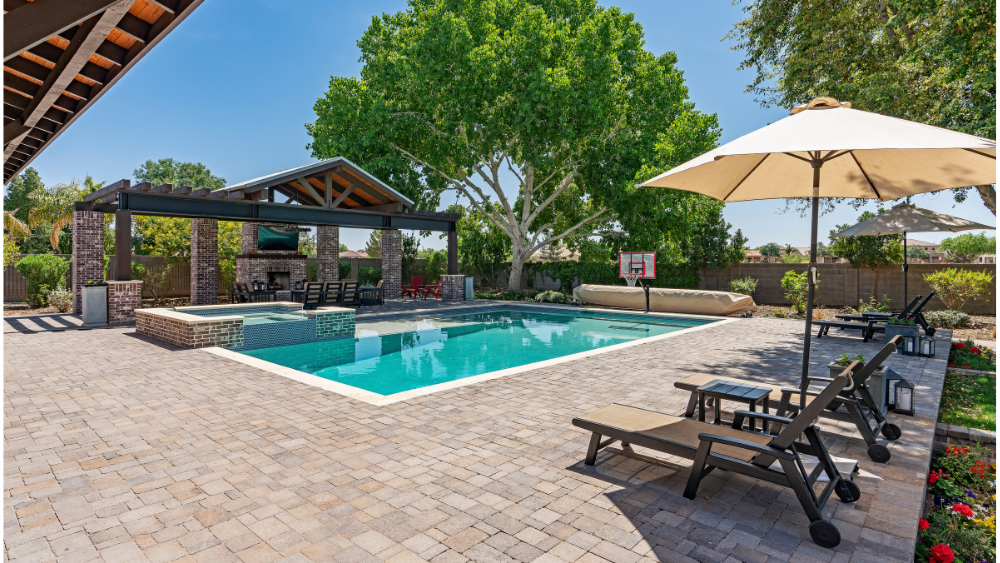
Summer is the season for backyard barbecues, evenings on the patio, and tackling home improvement projects. If your home already has propane service, you may be closer to your next upgrade than you realize.
Many homeowners assume adding features like a fire pit, outdoor kitchen, patio heater, or pool heater requires a major project. In reality, having a propane tank already installed often means you’ve completed one of the biggest steps.
While every property is different, expanding an existing propane system can be simpler and more cost-effective than many people expect.
You May Have Already Done the Hard Part
Installing a propane tank and establishing propane service is often the most significant part of the process. Once that infrastructure is in place, adding new propane-powered appliances or outdoor features may require only modest modifications to your existing system.
Depending on your setup, Delta Liquid Energy’s technicians and sales team can help determine whether an existing gas line can be extended, a new connection point can be added, or your current system has enough capacity to support additional equipment.
Some projects may also require work from other licensed professionals, such as plumbers, electricians, pool contractors, or outdoor kitchen installers. If part of your project falls outside our scope, our team can help point you in the right direction and identify when a qualified, licensed contractor may be needed.
Popular Summer Upgrades for Propane Homes
Outdoor Fire Pits and Fireplaces
A propane fire feature can help extend the use of your outdoor living space well beyond daylight hours. Unlike wood-burning options, propane fire pits offer instant ignition, easy operation, and no cleanup from ash or embers.
They’re a popular choice for homeowners looking to create a comfortable gathering space for family and friends.
Outdoor Kitchens
Outdoor kitchens continue to be one of the most sought-after backyard upgrades.
If you already have propane service, connecting a built-in grill, side burner, pizza oven, or other cooking equipment may be easier than starting from scratch. Many homeowners begin with a standalone grill and later expand into a fully functional outdoor cooking and entertaining space.
Pool and Spa Heating
A pool or spa is a significant investment, and propane heating can help you get more enjoyment from it.
Propane pool heaters warm water quickly, helping homeowners extend their swimming season, enjoy cooler evenings, and make better use of their outdoor amenities throughout the year.
Patio Heaters
Patio heaters are another simple way to enhance outdoor comfort. Whether you’re hosting guests or simply relaxing outdoors, propane-powered patio heaters can help make outdoor spaces more enjoyable when temperatures drop in the evening.
What Determines Whether an Upgrade Is Easy?
Several factors influence how simple it may be to add propane-powered features to your property, including:
- The size and capacity of your propane tank: Adding appliances or outdoor features increases the total amount of propane your household may use. If your existing tank is not appropriately sized for the additional demand, you may need more frequent deliveries or a larger tank to support dependable operation.
- The distance between the tank, existing gas lines, and the new appliance: In some cases, a new appliance may be able to connect to an existing propane line. In others, a new line or connection point may need to be installed. The distance involved can affect the amount of piping, labor, and planning required. For example, under NFPA 58 guidance, a typical aboveground 250-gallon propane tank generally must be located at least 10 feet from an important building and an adjoining property line that can be built upon. Its filling connection and fixed maximum liquid-level gauge must also generally remain at least 10 feet from external ignition sources, such as open flames or air-conditioning compressors. Exact requirements can vary based on the installation, equipment, and local codes.
- Tank placement and required clearances: The location of your propane tank, nearby buildings, property lines, ignition sources, and delivery access can all affect what upgrades are possible and where new equipment can be installed. Learn more in our related article, “Why Propane Tank Placement Matters for Safety and Service.”
- Existing gas-line locations: The location, condition, and capacity of your existing propane lines may determine whether they can support the new equipment or whether modifications are needed.
- The total propane demand of your current and future appliances: Each appliance has its own fuel requirements. Your system must be able to supply enough propane to safely and reliably operate all connected equipment, especially if multiple appliances may be used at the same time.
Tank placement, building openings, ignition sources, property lines, delivery access, and local code requirements can also affect the available options. To learn more about these considerations, read our recent article on propane tank placement and why proper placement matters for safety and service.
Because every property is unique, it’s always best to have your system evaluated before planning a project.
Planning for Future Upgrades
Even if you’re only considering one improvement today, it may be worth thinking about future projects as well.
For example, if you’re planning to install a fire pit this year but hope to add an outdoor kitchen later, discussing those long-term goals during your evaluation may help ensure your system is sized appropriately from the beginning.
A little planning now can help save time and expense down the road.
What Happens During a Propane System Evaluation?
During a propane system evaluation, Delta Liquid Energy’s technicians and sales team will review your property and existing propane setup to help determine what options may be available.
During an evaluation, our team may review:
- Your existing tank and equipment
- Current propane usage
- Available system capacity
- Existing gas lines and connection points
- Potential appliance locations
- Any modifications needed to support future additions
- Whether the existing tank is appropriately sized for your current and planned propane use
The goal is to ensure any upgrades are installed safely, efficiently, and in compliance with applicable codes and regulations.
Keep in mind that certain projects may also require permits or approvals from your city, county, or other local authority. Permit requirements can vary depending on the location and type of equipment being installed.
Ready to Explore Your Options?
If you already have propane service, summer is the perfect time to explore ways to enhance your home and outdoor living spaces.
Whether you’re considering a fire pit, outdoor kitchen, patio heater, or pool heater, your existing propane system may make those upgrades easier than you think.
Contact your local Delta Liquid Energy office to learn more about your options and schedule a propane system evaluation.