Understanding the Global Factors that Influence Propane Costs
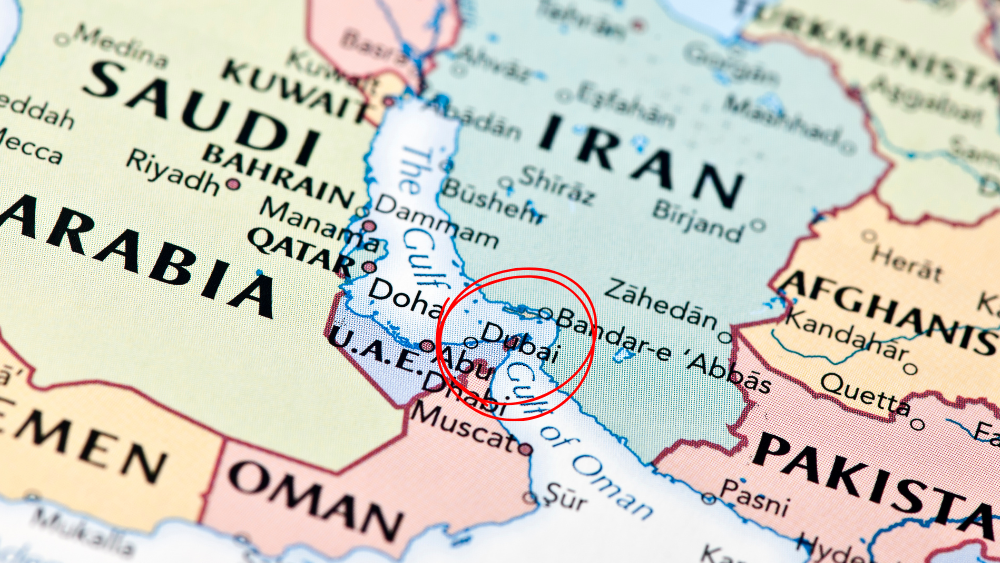
Global events can have a surprising impact on everyday energy costs. One current example is the ongoing conflict involving Iran and its potential effect on oil, natural gas, and propane prices.
Although most propane used in the United States is produced domestically, global energy markets remain closely connected. Events that affect oil production, shipping routes, or international demand can influence propane pricing for homes and businesses across the country, including in California and Nevada.
Why Energy Prices Often Rise During Conflicts
Energy prices tend to increase during geopolitical conflicts for several reasons.
- Supply Disruptions
Military activity can damage energy facilities, interrupt production, or discourage shipping companies from transporting fuel through risky areas.
In the current conflict, tanker traffic and energy shipments have already been disrupted as security risks increase in the Persian Gulf region and Strait of Hormuz.
When supply decreases or transportation slows down, global markets typically respond with higher prices.
- Risk and Market Uncertainty
Even when supply has not yet been significantly reduced, energy markets often price in the risk of future disruptions.
Oil prices have already surged about 25% since the conflict began, reflecting concerns that the war could spread or interrupt energy exports from the region.
Since propane is closely tied to oil and natural gas production, changes in those markets can influence propane pricing as well.
- Transportation Bottlenecks
Many propane shipments travel through the Strait of Hormuz before reaching international buyers. Roughly 27% of global LPG exports move through this shipping corridor, meaning any disruption can affect worldwide supply.
If tankers are delayed or rerouted, supply chains tighten and prices can move higher.
How Global Demand Increases U.S. Propane Prices
If countries that normally receive propane shipments from the Middle East experience supply disruptions, they often look for alternative suppliers. The United States has become one of the largest exporters of propane in the world.
When international buyers increase purchases from U.S. suppliers, domestic supply becomes tighter. Increased global demand can raise market prices, even for propane sold within the United States.
Export Competition
Propane produced in the United States is regularly exported to countries in Asia, Europe, and Latin America. When global supply becomes uncertain, buyers may be willing to pay higher prices to secure shipments.
This increased competition for available propane can influence overall market pricing.
Transportation and Distribution Costs
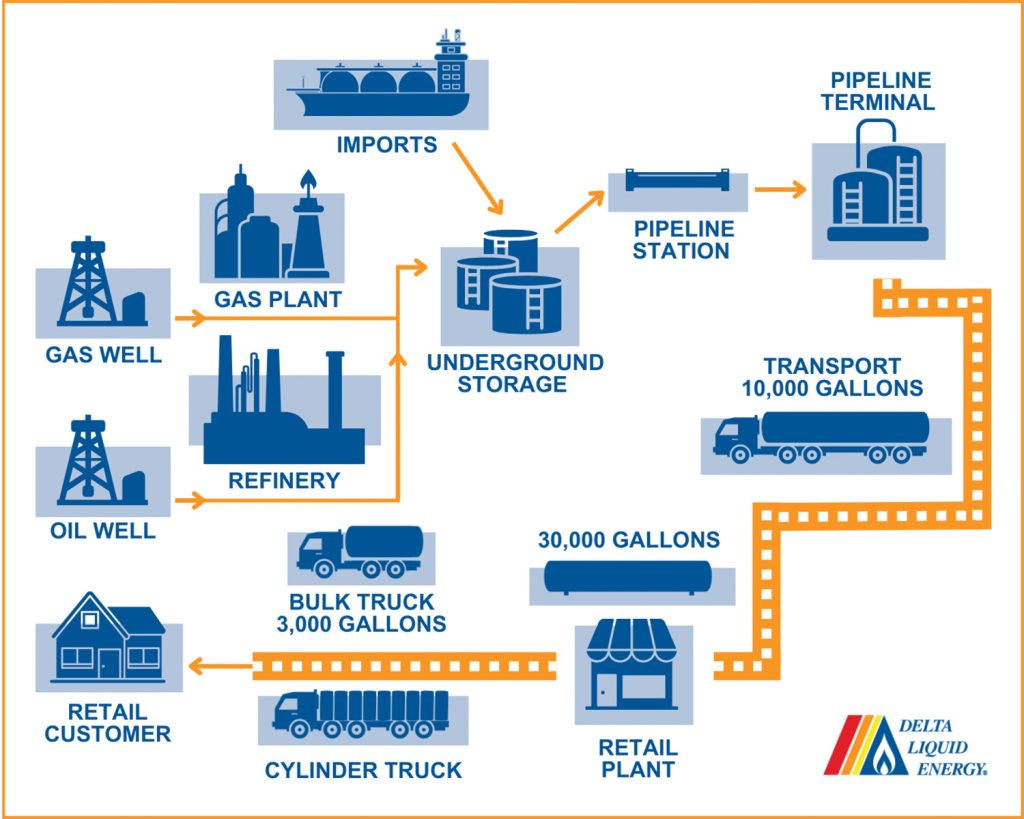
Another factor is transportation. Propane moves across the United States through pipelines, rail systems, storage terminals, and delivery trucks.
When global oil prices rise during geopolitical conflicts, fuel costs for transportation increase as well. Higher diesel and fuel costs raise the expense of moving propane from production regions such as Texas, New Mexico, and the Midwest to western markets like California and Nevada.
Western states rely heavily on propane that must be transported long distances through pipelines, rail, and trucking networks. When transportation fuel costs increase, the expense of moving propane across the country rises as well. Those higher logistics costs can contribute to increased propane prices for distributors and ultimately for customers.
What This Means for Propane Customers
Propane prices are influenced by these factors working together. International conflicts are just one piece of this larger system. However, when geopolitical tensions affect oil production, shipping routes, or global supply chains, energy markets like propane often react quickly.
Even if the propane delivered to homes and businesses in California and Nevada was produced domestically, the market price can still reflect broader global supply and demand pressures.
Planning Ahead During Uncertain Energy Markets
Events like the conflict involving Iran highlight how interconnected global energy systems have become. Disruptions in one region can ripple through energy markets around the world.
Staying informed about energy market trends can help customers better understand why propane prices sometimes change and how global events can influence local energy costs. Monitoring tank levels and planning ahead can also help homes and businesses stay prepared during periods of market uncertainty and potential price volatility.
Learn more about what affects your propane price below.
Sources
LP Gas Magazine: Impacts of US-Iran Conflict on Propane Market
IB Times – Middle East War Pushes LPG Energy Prices Higher Challenging, Consumer Businesses
NY Times – How the Iran War Can Hit Americans’ Wallets
Discovery Alert – How Propane Prices Surged During US-Iran Conflict Crisis
Argus Media – European Propane Hit Fresh High on US-Iran War
AOL – Iran War, Saudi Outage to Boost U.S. Propane, Butane Exports