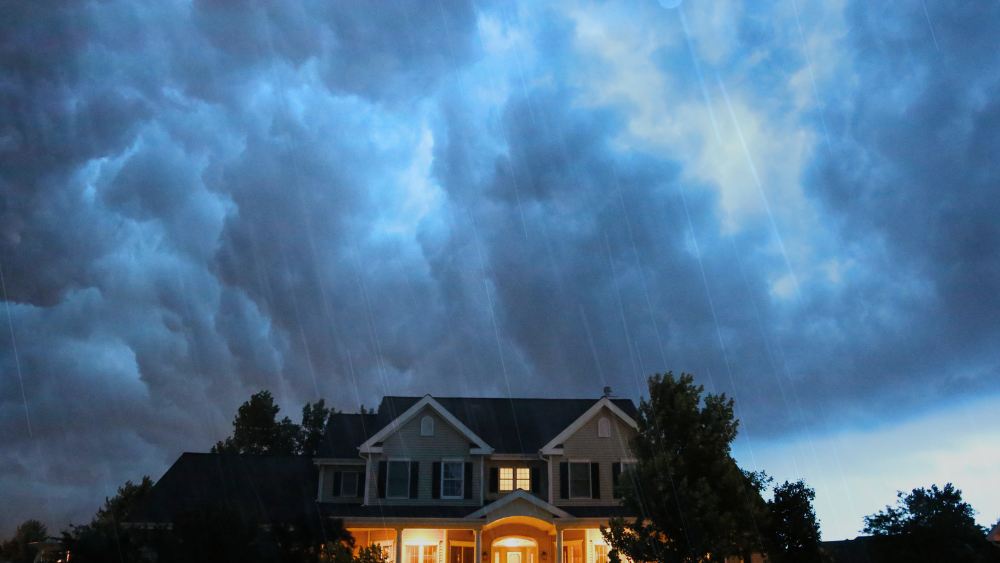
California weather can change quickly, and forecasts are raising concerns about the possibility of a super El Niño. Heavy storms may lead to flooding, mud, downed trees, power outages, washed-out roads, and difficult driving conditions.
The good news is that a little preparation now can make a big difference later. Before the next major storm arrives, it is worth taking time to walk your property, review your emergency supplies, and make sure your propane system is ready for wet weather.
Walk Your Property Before Heavy Rain Arrives
Before heavy rain arrives, walk around your property and look for anything that could cause problems during a storm.
Clear leaves, branches, and debris from gutters, downspouts, drains, and drainage paths so water can move away from your home. Check areas where water tends to pool, especially near foundations, crawl spaces, garages, driveways, and propane equipment.
It is also a good time to trim weak or overhanging branches, especially near propane tanks, gas lines, roofs, driveways, and service access areas. If your property has slopes, culverts, ditches, or low spots that collect water, try to address those issues before storms are in the forecast. Once the ground is saturated, small drainage problems can turn into bigger ones quickly.
Around your propane system, watch for erosion, shifting soil, standing water, loose branches, or anything that could slide, float, or blow into the tank during a storm. Do not store firewood, tools, patio furniture, trash cans, storage bins, or other items against or around propane equipment, since these can block access or become hazards during high winds or flooding.
If your tank is in an area that may be affected by runoff, flooding, erosion, or mud movement, contact Delta Liquid Energy before storms arrive. Our team can help evaluate whether your propane system should be inspected.
Never try to move, secure, repair, or modify propane equipment yourself.
For flood-prone areas, consider keeping tarps, sandbags, and other water-diversion supplies on hand before you need them.
Check Your Propane Tank Level Early
One of the easiest ways to prepare for storm season is to check your propane level before severe weather arrives.
Heavy rain, road closures, mud, flooding, and washed-out driveways can make deliveries more difficult. Scheduling a fill before your tank gets too low gives our team more flexibility and helps reduce the chance of running out during an extended storm or power outage.
If you rely on propane for heat, hot water, cooking, or backup power, staying ahead of your fuel level is especially important during storm season. If you are not already on automatic delivery, this may also be a good time to ask your local Delta Liquid Energy office if it is a good fit for your home.*
Keep Your Propane Tank Accessible
During storm season, safe access matters.
Please make sure the path to your propane tank is clear of brush, debris, snow if you are in an area that receives it, locked gates, low branches, parked vehicles, or stored items. Our drivers and service technicians need safe access to reach the tank, inspect equipment, and complete deliveries or service work when needed.
If your driveway gets muddy, soft, flooded, or difficult to access after rain or snow, try to schedule deliveries earlier rather than waiting until another storm is on the way.
For more on why clear access matters for safe, timely propane delivery, read our related article, “Understanding the Logistics of Propane Delivery: Access, Timing, and Security.”
Prepare for Power Outages
Strong storms can cause power outages, especially when high winds, fallen trees, flooding, or grid disruptions affect electrical service.
If you have a propane generator, test it before storm season and follow the manufacturer’s maintenance schedule. Make sure you know what the generator powers, how it operates, and whether your propane tank is properly sized to support the generator along with your other propane appliances.
If you are considering backup power, a propane generator can help keep essential systems running during an outage, including refrigeration, medical equipment, well pumps, heating systems, home offices, and other important electrical needs.
For more information, read our related article, “Propane Generators for Emergency Preparedness: Powering Through Unpredictable Weather.”
Review Generator Safety
Generators should always be used safely and according to manufacturer instructions. Portable generators should never be used indoors, in garages, in crawl spaces, under covered patios, or near open windows and doors. Improper generator use can create a serious carbon monoxide hazard.
Whole-home standby generators should be professionally installed and maintained. If your generator connects to your home’s electrical system, it should also have the proper transfer equipment installed by a qualified professional.
Before storm season, check your carbon monoxide detectors and replace batteries if needed. It is also a good idea to know where your propane shutoff valve is located and make sure everyone in your household knows what to do if they smell gas or suspect storm damage.
After a Major Storm
After heavy rain, snow, flooding, mudslides, or wind damage, use caution around propane equipment.
If you smell gas, leave the area immediately, avoid flames or electrical switches, and call Delta Liquid Energy or emergency services from a safe location.
If your propane tank has shifted, floated, been hit by debris, or appears damaged, do not try to use or repair the system yourself. The same applies if gas lines, regulators, appliance connections, or tank supports may have been affected by flooding, mud, or storm debris. Your system should be inspected by our service technicians before being placed back into service.
You should also contact our team if appliances are not operating normally, pilot lights are out, or you are unsure whether your propane system was impacted by the storm.
Core Emergency Supplies to Have Ready
Storm preparation is not only about propane. Every household should have basic supplies ready in case roads close, power goes out, water service is interrupted, or you need to stay home for several days.
Consider keeping these items on hand:
- Drinking water for each person and pet, ideally enough for several days
- A backup way to treat water if your regular supply is interrupted, such as a water filter, purification tablets, or a LifeStraw-style personal filter
- Nonperishable food
- Manual can opener
- Flashlights, lanterns, candles, or battery-powered lights
- Matches or lighters
- Extra batteries
- First-aid kit
- Prescription medications and basic over-the-counter medications
- Phone chargers and charged backup power banks
- Copies of important documents
- Cash in small bills
- Blankets, warm clothing, and rain/snow gear
- Hygiene items, wipes, and hand sanitizer
- Pet food, medications, leashes, carriers, and waste bags
- Baby or child supplies, if needed
- Extra glasses, contacts, or medical supplies
- Trash bags, zip-top bags, and waterproof storage bags
- Basic tools
- Work gloves
- Duct tape
- Plastic sheeting or tarps
- Sandbags or flood barriers, if your property is vulnerable to water intrusion
- A written emergency contact list
- A plan for where to go if you need to evacuate
It can also help to keep supplies in more than one place, such as your home, vehicle, and workplace. During a storm, you may not be where you expected to be.
Prepare Early and Stay Storm-Ready
A strong El Niño season can bring uncertainty, but preparing early can help reduce stress when the weather takes a turn.
By walking your property, clearing drainage areas, monitoring your propane level, keeping your tank accessible, testing your generator, and stocking essential supplies, you can be better prepared for heavy rain, flooding, power outages, and other storm-related disruptions.
Need help preparing your propane system for storm season? Contact your local Delta Liquid Energy office to schedule a delivery, ask about automatic delivery*, or discuss propane service and backup power options for your home.
*Pending credit approval
Sources:
NOAA Climate Prediction Center, “ENSO Diagnostic Discussion”
Cal OES, “Storm Season Safety: Precipitation Preparation”
Cal OES, “Storm Season Safety: Wet Weather Defense”
Ready.gov, “Build a Kit”
Ready.gov, “Water”
Propane Education & Research Council, “Propane Safety and Floods”
Propane Education & Research Council, “Safety Guide for Propane Users”