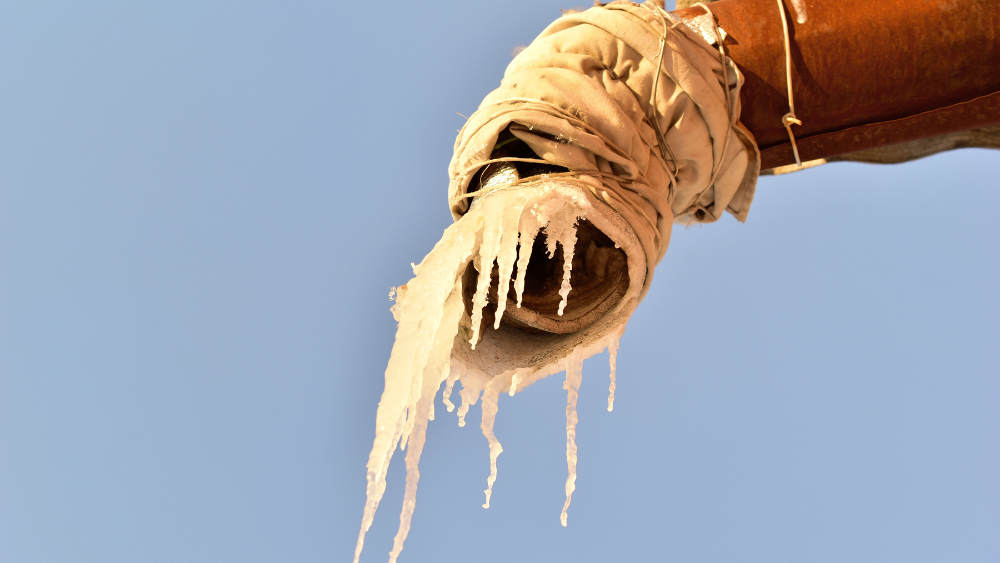
How cold weather affects propane systems and what homeowners can do to stay safe
When temperatures drop, most propane-powered homes run furnaces, water heaters, fireplaces, and other appliances nearly nonstop. But while you’re focused on staying warm, winter weather can quietly create dangerous appliance venting problems that affect how your appliances burn fuel and release exhaust. Many of these problems develop slowly and are easy to overlook until performance declines or a safety risk appears.
Understanding how venting works — and the warning signs of trouble — helps protect your home, your family, and your propane system throughout the coldest months.
Why Winter Venting Problems Are More Common
Cold weather affects both the inside and outside of your venting system. The most common winter-related issues include:
- Snow and Ice Blockages
Snowdrifts, ice buildup, and wind-blown powder can cover:
-
- Furnace exhaust vents
- Direct-vent appliance intakes
- Heat pump and generator airways
- Roof caps and sidewall terminations
When vents can’t release combustion gases, appliances may shut down, burn inefficiently, or backdraft exhaust into the home.
- Reduced Draft from Cold, Dense Air
Propane appliances rely on proper airflow to produce a clean, efficient flame. Dense winter air can:
-
- Slow or reverse the draft in vertical flue pipes
- Cause slower exhaust movement
- Lead to incomplete combustion
Incomplete combustion increases carbon monoxide (CO) production, which makes venting issues especially important to catch early.
- Condensation and Freeze-Ups
Warm exhaust vapor hitting cold metal vents can create condensation. When temperatures stay below freezing, this moisture may:
-
- Freeze inside the vent
- Narrow the airway
- Trigger appliance shutdowns
Water heaters and high-efficiency furnaces are especially prone to winter freeze-ups.
- Animal Intrusion During Cold Weather
Small critters sometimes take shelter in vent pipes. Nests, debris, and blocked screens reduce airflow and can create hidden hazards until the appliance fails.
Warning Signs Your Propane Appliance Has a Venting Problem
These issues often start subtly. Watch for early symptoms such as:
- Furnace running longer than normal
- Yellow or flickering burner flames
- Soot around appliance access panels
- Ice forming around exterior vents
- Exhaust odors near appliances
- Sudden furnace lockouts or error codes
- Hot water taking longer to recover
- Increased propane usage without explanation
If you notice any of these signs, stop using the appliance and contact your local DLE office.
Risks of Ignoring Venting Issues
Unchecked venting problems can cause:
Carbon Monoxide (CO) Exposure – Blocked or failing vents allow CO to accumulate indoors. CO is odorless and can become deadly quickly.
Incomplete Combustion & Sooting – Improper airflow causes inefficient burning, which may:
-
- Damage appliances
- Increase propane usage
- Lead to costly repairs
Frozen or Cracked Vent Pipes – Blocked vents can trap moisture that freezes and expands, eventually cracking vent components.
Unexpected System Shutdowns – Many modern appliances shut down automatically when venting is compromised — often during the coldest nights.
How to Prevent Winter Venting Problems
- Keep exterior vents clear
Regularly check that sidewall and rooftop vents are free of snow, ice, leaves, debris, and animal nests. A broom or soft brush is usually all that’s needed.
- Maintain safe clearance around vents
Appliance manufacturers require minimum distances from plants, fencing, stored items, and snowbanks. This ensures proper airflow even during storms.
- Schedule annual appliance inspections
A licensed propane technician can clean vent systems, check draft pressure, verify safe combustion, and inspect for cracks or blockages. Winter is when appliances work the hardest — tune-ups help prevent safety issues.
It’s important to schedule these inspections in the spring/summer to avoid any potential issues before the weather turns cold.
- Install carbon monoxide detectors on every level
CO alarms are your best defense against invisible venting malfunctions. Check annually, along with your smoke detector.
Learn about Carbon Monoxide Placement, Poisoning Signs & Prevention Tips.
- Know where your vents are located
Many homeowners don’t realize their high-efficiency appliances vent out the side of the home rather than the roof. Knowing the locations makes it easier to check them after storms.
Special Note for Propane Users in Cold, Snowy Regions
Areas like Tehachapi, the Central Coast mountains, and the Sierra foothills experience high winds, snowdrifts, and freezing nights — all of which increase venting challenges for propane systems. Keeping your vents clear and scheduling routine maintenance are essential steps for staying safe and avoiding emergency service calls in winter.
When to Call a Professional
Contact your propane service team immediately if you notice:
- Persistent exhaust smells
- Flames that burn yellow instead of blue
- Unusual appliance noises
- Repeated furnace shutdowns
- Ice that keeps forming around vents
- Any signs of CO exposure (headache, dizziness, nausea)
If you ever suspect a propane leak, leave the home and call your local Delta Liquid Energy office or 911 right away.
Stay Safe and Warm All Winter Long
Venting problems may be out of sight, but they shouldn’t be out of mind during the winter season. With awareness, routine checks, and help from your Delta Liquid Energy service professionals, you can prevent most issues before they start.
If you have questions about your propane appliances, venting, or winter safety tips, our team is here to help. Call your local Delta Liquid Energy office today.